Three releases are worth your attention. Only one may be worth more money.
Claude has a stronger top-tier model. ChatGPT opened a separate Health workspace that can use records you choose to connect. GitHub Copilot can take a Linear ticket, work in the background, and return a draft for review.
The useful question is not which announcement sounds biggest. It is whether any of these changes a job you already do.
New model
Claude Opus 5 is new. That does not make it your default.
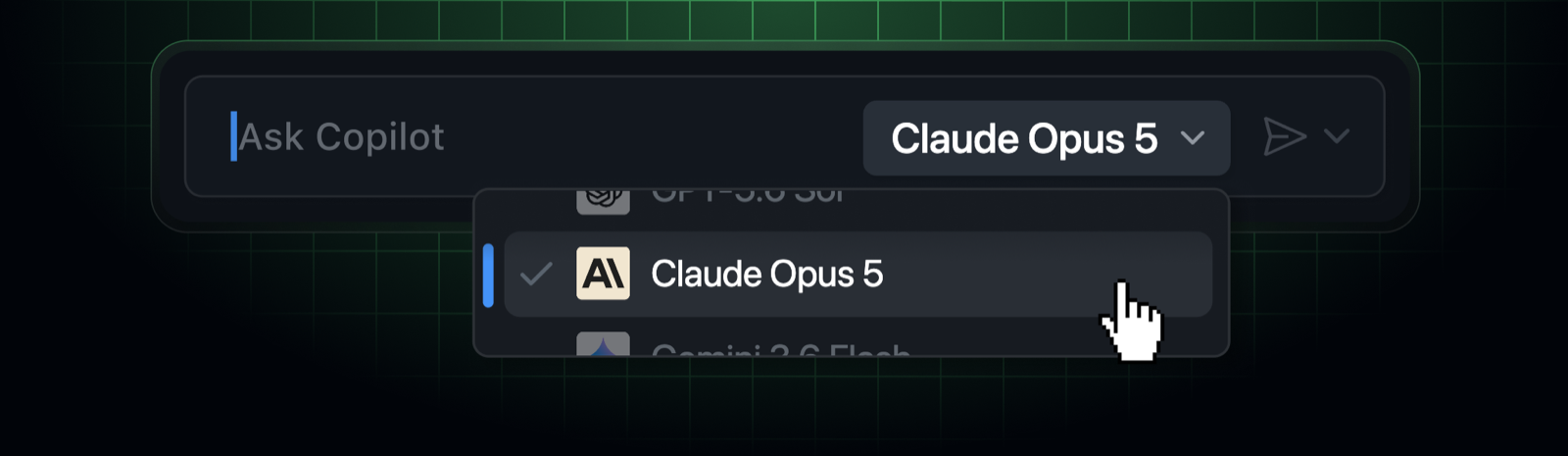
GitHub’s launch artwork shows Claude Opus 5 in Copilot’s model picker. Open the announcement ↗
- What it does
Opus 5 is Anthropic’s model for difficult, long-running work. It can take in roughly one million tokens of context. Anthropic points to research, documents, spreadsheets, slides, and coding as target tasks.
- What it costs
API list price remains $5 per million input tokens and $25 per million output tokens. GitHub Copilot is rolling it out to Pro+, Max, Business, and Enterprise. The $10 individual Pro plan is not on that list.
- Your move
Do not upgrade on a model name. Give Opus one task you know well, then run the same task through your regular model. Keep the cheaper or faster option unless Opus gives you a clearly better result with fewer edits.
Token cost, made concrete
One API job: 100,000 tokens in, 20,000 out
Standard first-party Claude API list prices. No cache, batch discount, tools, fast mode, or regional premium.
The useful comparison: Opus costs 2.5 times Sonnet 5’s launch price through August 31 and 5 times Haiku 4.5 on this workload. From September 1, Sonnet costs $3 in and $15 out, so the Opus gap narrows to about 1.7 times.
One catch: Anthropic says Claude 4.7 and later can produce roughly 30% more tokens for the same text than Sonnet 4.6 and earlier. Tool definitions and results also count toward input. Batch processing halves token rates, and cache hits cost 10% of base input. Your own trace is the real bill.
Price check Individual Copilot Pro+ costs $39 per month. Max costs $100 per month. A model’s API price and the subscription that unlocks it are different prices. Check both.
SourcesAnthropic pricing; Anthropic model guide; GitHub release, July 24; GitHub Copilot plans.
New product experience
ChatGPT Health can read the records you choose to connect
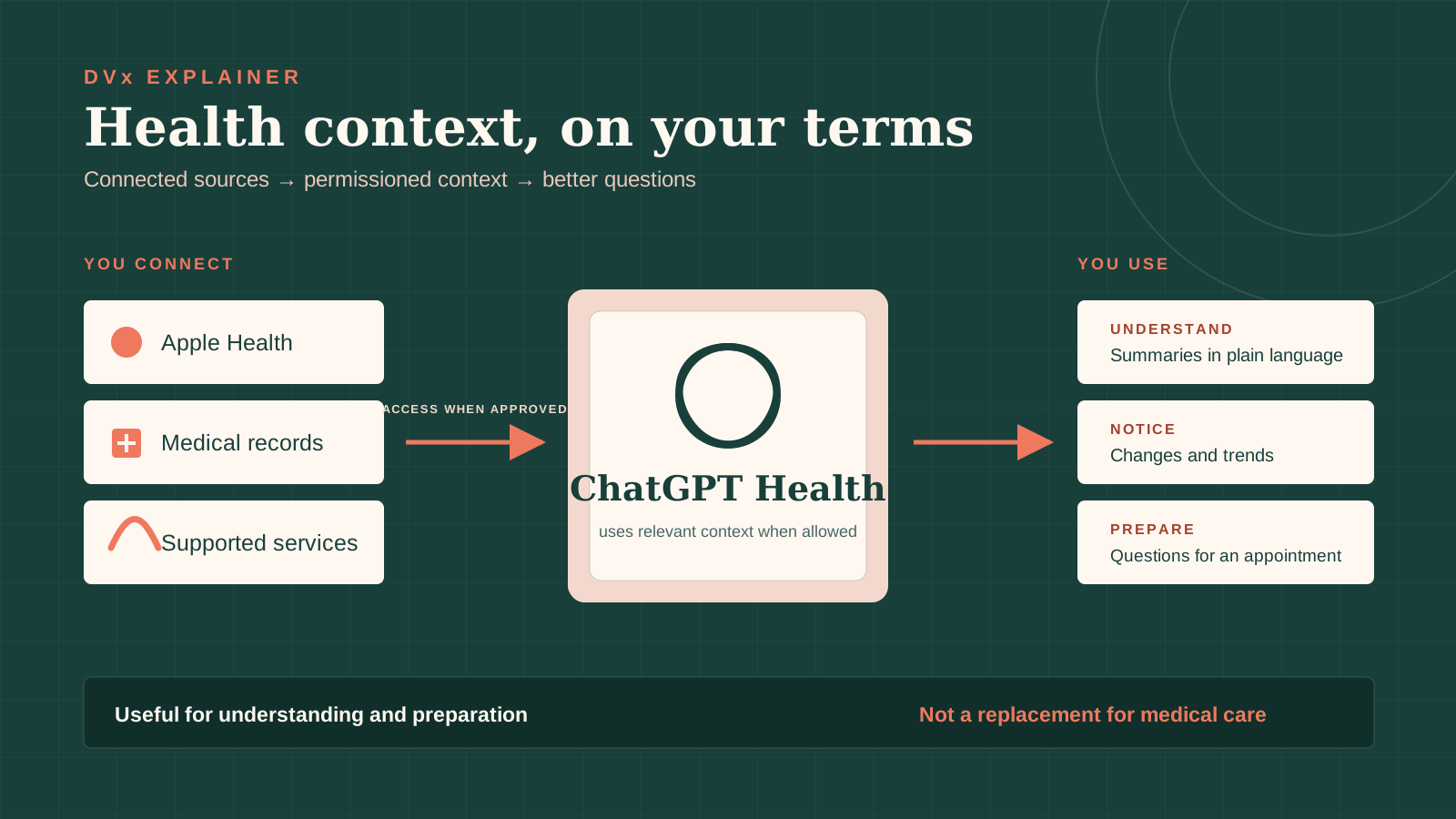
DVx explainer based on OpenAI’s launch details. Open the announcement ↗
- What it does
ChatGPT Health can use Apple Health and supported U.S. medical records to explain results, spot changes, and help you prepare questions. You choose which information to connect. ChatGPT asks before using connected information by default.
- Who gets it
OpenAI started the rollout on July 23 for logged-in U.S. users age 18 and older on web and iOS. It covers Free, Go, Plus, and Pro. Free uses GPT-5.5 Instant for health. Paid plans use GPT-5.6 Sol. OpenAI did not announce a separate Health add-on price.
- Your move
Use it to prepare, not diagnose. Ask for a plain-language summary or a list of questions for your next appointment. Keep the permission prompt on. Check every important detail against the original record and a clinician.
The important boundary
Useful for personal prep. Not a clinical system.
The product becomes easier to understand when you separate what it can read from what it is allowed to do.
- Reads
- Sources you connect, including Apple Health, supported provider records, One Medical, and Function Health.
- Permission
- ChatGPT asks before using connected Health information by default.
- Writes
- Nothing back. Health cannot update Apple Health or your medical record.
- Training and ads
- Connected information and conversations that use it are excluded from foundation-model training and ad targeting.
- Disconnect
- Synced data starts deleting within 30 days. Related chats remain until you delete them.
- Clinical use
- The consumer product does not offer a Business Associate Agreement and is not intended for covered-entity use.
What this means: For a person, the sweet spot is explanation, trend spotting, and appointment prep. If your company is a healthcare provider, insurer, or vendor handling regulated health data, evaluate OpenAI’s healthcare products and agreements instead of assuming consumer Health is compliant.
Privacy check OpenAI says connected health data and conversations that use it do not train its foundation models and are not used to target ads. Disconnecting a source starts deletion of synced data within 30 days. Related chat history stays until you delete it.
SourcesOpenAI launch, July 23; OpenAI Health help and access guide.
Work pattern
Copilot can take a Linear ticket and come back with a draft
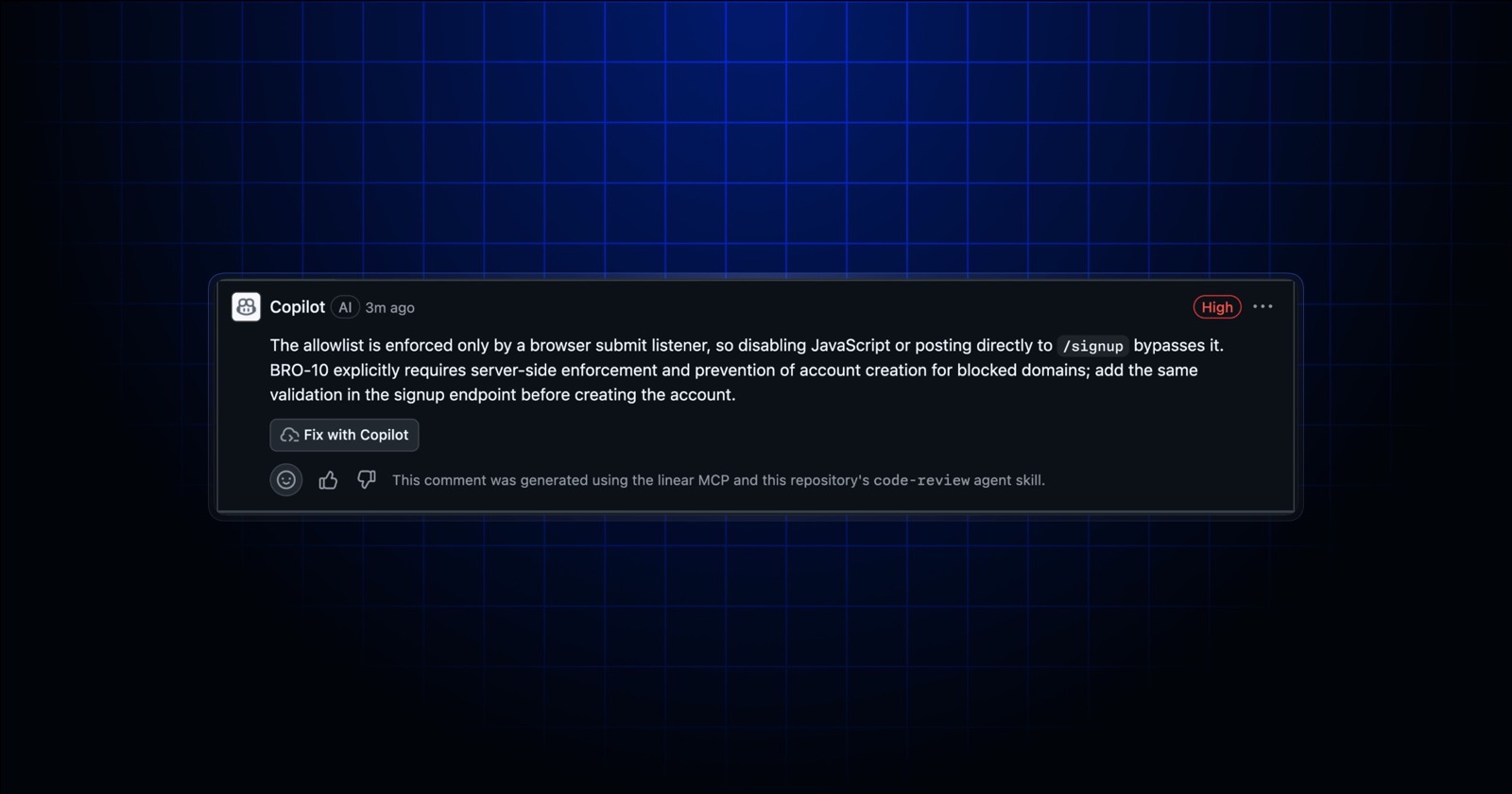
GitHub’s release artwork shows a work item moving into a Copilot workflow. Open the announcement ↗
- What changed
A team can assign a Linear software issue to GitHub Copilot. The agent works in the background, reports progress in the issue, opens a draft change, and asks a person to review it.
- Why it matters
A chat box keeps you in the loop for every step. A work queue gives AI a bounded assignment, then brings you back for review. That pattern will matter well beyond software, but GitHub has only announced this specific Linear workflow.
- Your move
Pick one repeated task that is easy to reverse. Write a clear definition of done. Ask the assistant for a draft and keep final approval with a person.
Plan economics
The work queue starts at $10. Opus access starts at $39.
Individual plans shown. The Linear agent runs on paid plans, but premium models sit on higher tiers.
Pro
$10/month- Total AI credits
- $15/month
- Linear agent
- Included
- Opus access
- Not included
Pro+
$39/month- Total AI credits
- $70/month
- Linear agent
- Included
- Opus access
- Included
Max
$100/month- Total AI credits
- $200/month
- Linear agent
- Included
- Opus access
- Included
The useful metric: Agent sessions, chat, CLI, and code review use AI credits. Code completion and next-edit suggestions do not. Track cost per accepted pull request, not cost per seat or number of agent starts.
Price check The integration is available on paid Copilot plans. Individual Pro starts at $10 per month and includes $15 in monthly AI credits.
SourcesGitHub release, July 23; GitHub setup guide; GitHub Copilot plans.
Before you pay
Answer three questions
- AccessDo you already have access through a plan you pay for?
- TaskCan you name one recurring task this feature should improve?
- ProofWill you measure time saved, errors reduced, or edits avoided?
If you cannot answer all three, wait.
15-minute test
Compare one task you already know
- PickChoose one real task you completed recently.
- RepeatGive the exact same input and instructions to your regular model and the strongest model already available to you.
- ScoreCompare time, factual errors, and how much you rewrote.
- DecideWrite one line: regular model, stronger model, or no useful difference.
That line is your upgrade decision.
Term without the jargon
Model tier
A vendor’s grouping of models by capability, speed, and cost. You may see labels such as fast, balanced, or advanced. A higher tier can do better on difficult work, but it may answer more slowly, consume more of your usage allowance, or require a more expensive plan. Newest does not mean best default.
MCP changed its protocol. GitHub added software supply-chain controls. Europe changed part of its AI compliance calendar. Those developments matter to engineering, security, and policy teams. They do not create a useful action for most AI users this week. Read the technical Builder edition → if you own those decisions.
Price and availability ledger
| Change | Available to | Cost signal |
|---|---|---|
| Claude Opus 5 | API customers; Copilot Pro+, Max, Business, and Enterprise | API $5/M input and $25/M output; Copilot Pro+ $39/month |
| ChatGPT Health | U.S. users 18+ on web and iOS; Free, Go, Plus, and Pro | Included in listed plans; stronger health model on paid plans |
| Copilot for Linear | All paid Copilot plans, with GitHub and Linear setup | Individual Pro $10/month; usage draws from AI credits |
Verification notes
- All three announcements were published between July 23 and July 30, 2026.
- Links, plan access, and displayed U.S. prices were checked August 1.
- The token chart uses standard first-party Claude API prices and a 100,000-input, 20,000-output-token example. It excludes caching, batch, tools, fast mode, and regional modifiers.
- Sonnet 5’s $2 input and $10 output launch price is scheduled to end August 31. The chart shows the September 1 price change.
- Vendor capability claims are labeled. Unverified rankings were omitted.
- The work-queue pattern is a DVx inference from GitHub’s Linear integration.
- ChatGPT Health supports understanding and preparation. It does not replace medical care or professional judgment.
- No confidential portfolio information is included.
- The AmitOS voice pass was completed July 31. The insight and pricing pass was completed August 1. The published copy contains no em dashes.